As the United States celebrates its 250th anniversary, Tennessee celebrates its 230th—thanks in large part to something that happened on Gay Street.
June 1, Tennessee’s official birthday, usually offers great weather for outdoor celebrations. It’s the day that President Washington signed the bill making Tennessee a state, after U.S. Congress, still meeting in Philadelphia, approved the 16th state’s application for admission to the Union.
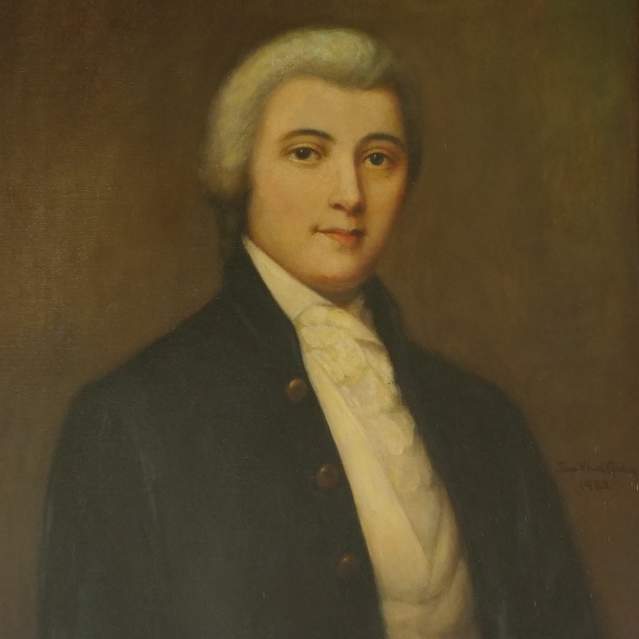
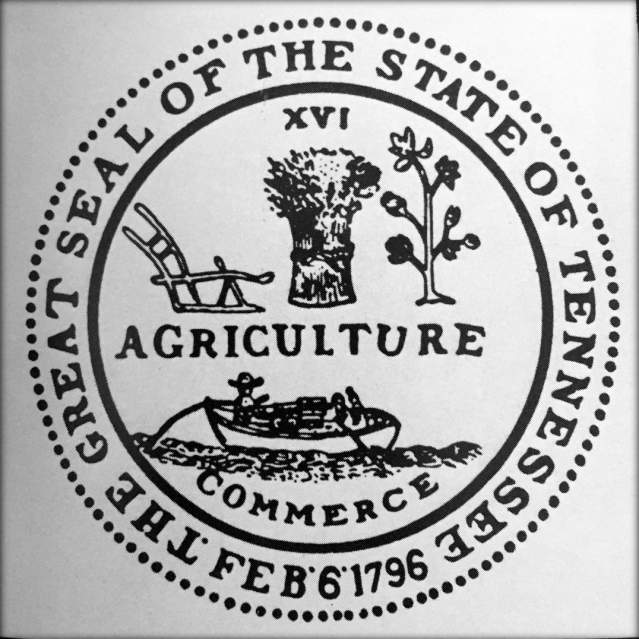
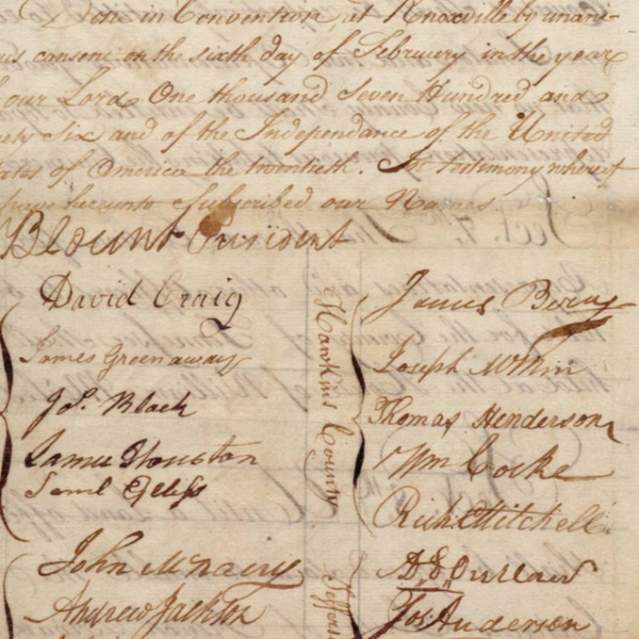
However, it was just the final bit of paperwork on a project that had been in progress for months, most of it in downtown Knoxville, when it was capital of a federal district called the Southwest Territory. For decades of the state’s early history, the Tennessee state seal featured another date: February 6, 1796. Most Tennesseans today might not recognize that date, but it was the day that 55 leaders of the prospective state signed a Constitution in downtown Knoxville. Nobody gave them permission to do so. It was their own idea, okayed by the federal governor of the territory, a man who’d signed the U.S. Constitution nine years earlier, named William Blount. During his months in Philadelphia in 1787 with the Founding Fathers, Blount perhaps had learned something about how constitutions are put together. He was the president of the Knoxville convention.
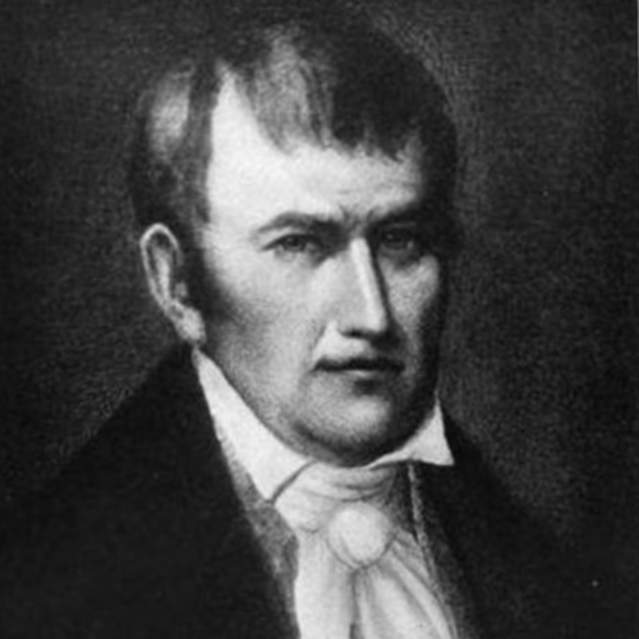
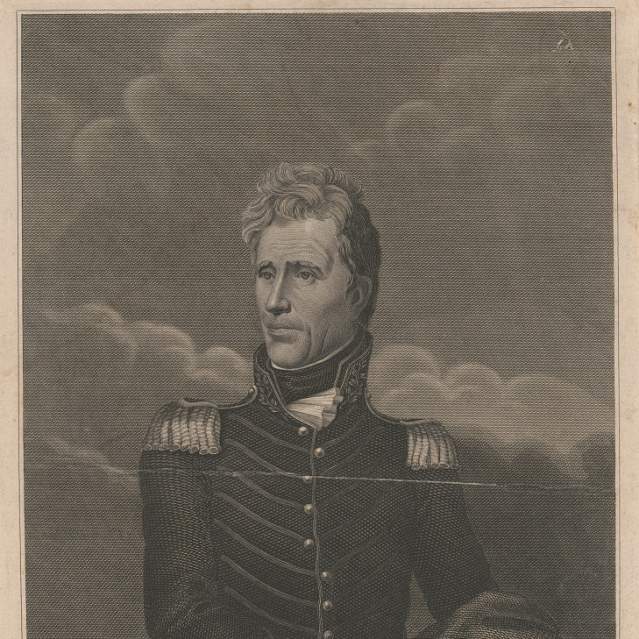
They were a remarkable assembly of frontiersmen. Among them was James Robertson, the Virginia-born associate of Daniel Boone who was the co-founder of Nashville. Accompanying him from Middle Tennessee was a much-younger associate, his red hair tied in an eelskin: lawyer Andrew Jackson was then just 28. Also on Gay Street was an even-younger fellow from Virginia, William Charles Cole Claiborne; he would later be the influential governor of a newer state, Louisiana. These founders of Tennessee weren’t all from the South; more than a dozen were Pennsylvanians by birth. At least two of the delegates, including Knoxville’s John Adair, were Irish immigrants.
What they created was a remarkable document in some ways. They talked about the urgency of resisting “princes” and “potentates” from controlling the Mississippi River, 400 miles away. At the time, Spain still controlled the mouth of that river, and Revolutionary France was eyeing it. Another surprise is that it forbade clergy from holding state elective office; they took the separation of church and state seriously. It didn’t abolish slavery, but it promised no protection of it, either.
Most notably, perhaps, it appears to offer the vote to “free men” of any race, and to both landowners and non-landowners, provided the latter had lived in a Tennessee county for at least six months. It wasn’t liberal by modern standards, in that it tacitly permitted slavery and restricted the vote to adult men, but it didn’t have a racial or strict property-ownership requirement for voting. It may be the reason that Thomas Jefferson is alleged to have claimed it was “the least imperfect and most republican of the state constitutions.”
For many of the attendees, Tennessee officially became a state at the moment all 55 delegates, after three weeks of arguing, had come to an agreement and signed the document. A state legislature began meeting. They chose a governor and two U.S. senators, who went to Philadelphia to take their seats. All of it before President George Washington or U.S. Congress agreed that Tennessee was a good idea.
And in fact many in the Congress of 1796 didn’t think Tennessee was a good idea at all.
This proposed state, they said, needed to wait until at least 1800, and a dependable federal census to prove there were the required 60,000 potential citizens in the territory. Some of them were anxious about whether the citizens of this new state would vote for Jefferson or Adams in 1796. And some were offended at Tennessee’s audacity. By some interpretations, territories were expected to wait until they were anointed by the federal government before they even considered writing a constitution. About 30 congressmen voted to keep Tennessee out, for now at least. Supporters of Adams worried about the 1796 presidential election, and the fact that several pro-Jefferson electors could tip the balance. Each state was awarded electors based on its number of legislators. They came up with a compromise, that Tennessee would be admitted, with two senators but with only one congressman, to keep the total number of presidential electors down.
But back home, while they were arguing all that, people were already calling it Tennessee.
Meanwhile, people forget history, as they often do. By the 1830s, the “Feb. 6” honoring that dramatic Knoxville event had disappeared from the state’s seal. And in 1834, another constitutional convention in Nashville replaced the Knoxville constitution with some provisions that sound less modern. It expressly limited voting rights to white men, and offered protections for slavery and slaveowners.
In the 1920s, William Blount’s home, where the Constitution was said to be drafted, was almost torn down for a hotel parking lot. Fortunately, thanks to a preservation effort led mostly by women, it was saved, and is open as a museum of that pioneer era today.
About 80 years ago, public librarians and members of the Daughters of the American Revolution, anticipating another state birthday—the sesquicentennial, in 1946—began looking into the subject, and came up with more of the story. The room where it happened, they found, was the office of federal agent David Henley, on what’s now Gay Street, at the southwest corner of what’s now Church. There was a much-later building there, the Knaffl Building, named for Austrian immigrants of the mid-19th century. The DAR installed a square plaque on that brick building, declaring the spot the “Birthplace of Tennessee.” It was there for 50 years, though a later modernization of the façade made it harder to notice. After suffering damage from a fire, the old Knaffl Building was torn down—ironically, about the same time as the 1996 bicentennial of the Tennessee Constitutional Convention. The plaque went missing.
Today, the site of that historic convention, where Jackson, Claiborne, Robertson, Blount, and others hammered out the details of a new state, is just a small part of a surface parking lot. Maybe it’s in an antique store somewhere, or behind a furnace in somebody’s basement. Maybe there will be a new one someday.
But the main gesture of what happened in Knoxville in early 1796 is not forgotten. Since then, the initiative to start a new state most often comes from Congress. But the convention in Knoxville in 1796 offered another option, when the people of a territory decide they want to create a state, they go ahead and do it, and dare Congress to say no. It’s the most arrogant, audacious option. And even in the 21st century, it’s called “the Tennessee Plan.”
Illustrations and captions:
James Robertson (1742-1814) (Wikipedia.)
William Blount (1749-1800) (Blount Mansion Association.)
State of Tennessee Constitution signatures including William Blount (Tennessee State Museum/Tennessee Virtual Archive.)
William Charles Cole Claiborne (1773/1775-1817). (Wikipedia.)
Blount Mansion is Knoxville’s only building recognized as a National Historic Landmark. (KHP.)
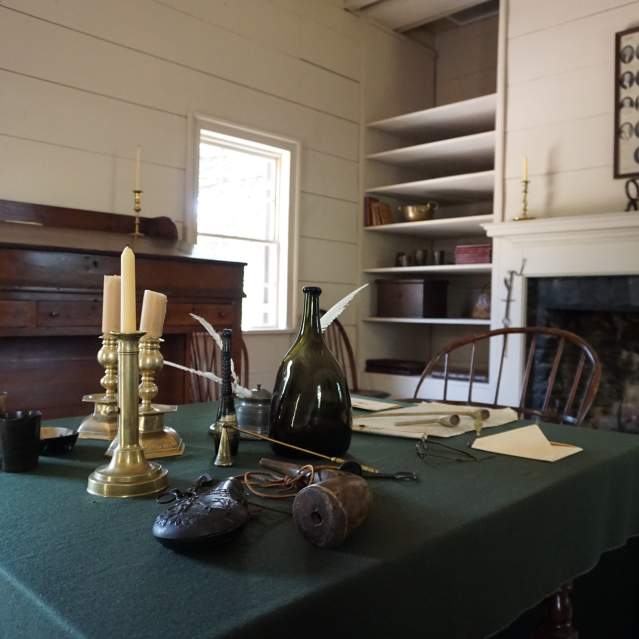
Gov. William Blount’s desk, now at Blount Mansion, on which the state constitution was signed in 1796. (KHP.)
Andrew Jackson (1767-1845). (Library of Congress.)
State of Tennessee’s original seal. (netstate/com)
Author
Jack Neely
Jack is the Executive Director of the Knoxville History Project, an educational nonprofit whose mission is to research and promote the history of Knoxville. He is a journalist who has been writing about his hometown’s character and heritage for many years. He has written several books about Knoxville and its history, and they can be purchased in various places throughout the city including Union Avenue Books and the Visit Knoxville Gift Shop.